My Development as a Future Leader

My leadership brand:

Definitions of leadership have changed over time, resulting in a collection of views, frameworks, and concepts. (Raffo & Clark, 2018). Many leadership styles are not applicable today due to change the world will continue experiencing. Therefore, it is hard to say that I follow a specific leadership style. However, I do believe that some principles and values should exist in any organization.  Being able to understand and motivate your followers in achieving outstanding results is a continuous process that will never stop, and all leaders should acknowledge that. Henry Kissinger once said, “The task of the leader is to get his people from where they are to where they have not been” We can never tell or predict what will be next.

Today I am a transformational leader but tomorrow I might follow a new undiscovered leadership style that will be suitable to the situation. I chose transformational leadership because it is linked with change. This leadership style focuses on motivating and creating a comfortable loving environment. Followers here feel a sense of belonging and will protect the organization from any harm. Therefore, followers will adapt to change when needed.

Personal Experience:

Rights before coming to London to get an MBA degree, I trained in a company for few months which was a horrifying experience that made me question whether I will be able to find a workplace that fits my potential in the future or not. During the few months there, the environment of the company was demotivating and unproductive because the tasks given were unexplained. all I did was sit in front of the computer and try to find investment opportunities. Additionally, employees were punished by a pay cut if mistakes were made, all decisions were made by the leader and employee empowerment rarely existed. However, now after learning various leadership styles and being able to become a team leader, I am pleased to have experienced it, as it resulted in a deeper understanding of what kind of leader I want to be. Therefore, the autocratic and transactional leadership styles used in the organization were not applicable and change must occur.

The transformational leader expresses how valued the employees are to the organization. Therefore, understanding the cultural norms and industry is important to create incentives that motivate and empower employees. (Ravanfar, 2015). As mentioned in my change management blog (figure 1), if an organization plans to transform or change from current leadership style to a different one, appropriate frameworks such as Mckinsey 7s model best describes the change strategy that such organizations has to adopt. The model help create a new strategy, structure, systems, shared values, style, staff and skills for the organization.

Feedback 

Experiencing leadership and receiving feedback is fundamental in all organizations. leaders can play a significant role in encouraging feedback from group members and giving feedback to individuals about their own blind areas. Leaders should show accountability to facilitate a culture that includes love, trust, and the sharing of knowledge in the organization. Looking at figure 1 representing the Johari window. The aim for any group should always develop an open area for each individual. also, attitudes and behavior should be known by self and known to others to become more effective and productive. (Luft & Ingham,1961)

The feedback received from my team members indicated that they felt comfortable working with me. however, there was no personal relationship from my end with the other team members. As I keep our conversations very work focused. Creating bonds outside group work could be beneficial to build comfort between teammates. Since I chose a transformational leadership style, this means I should focus more on developing relationships for motivational reasons. The feedback given to me has helped me realize areas I need to develop by creating better bonds, and this will help me develop and improve my transformational leadership style.
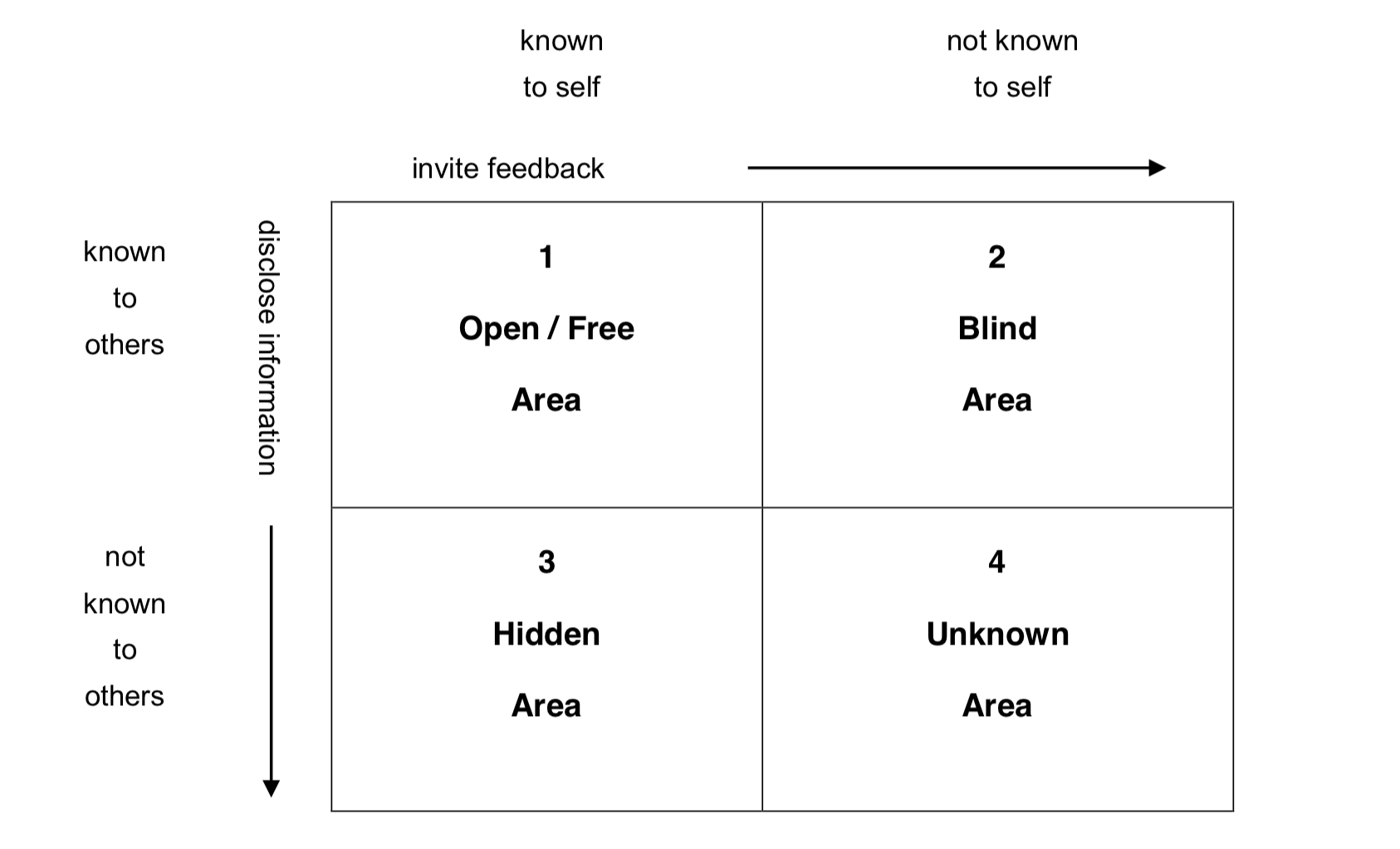
Figure 1 ( The Johari Window ).            SourceLuft , & Ingham, 1961). 
 

Development plan :

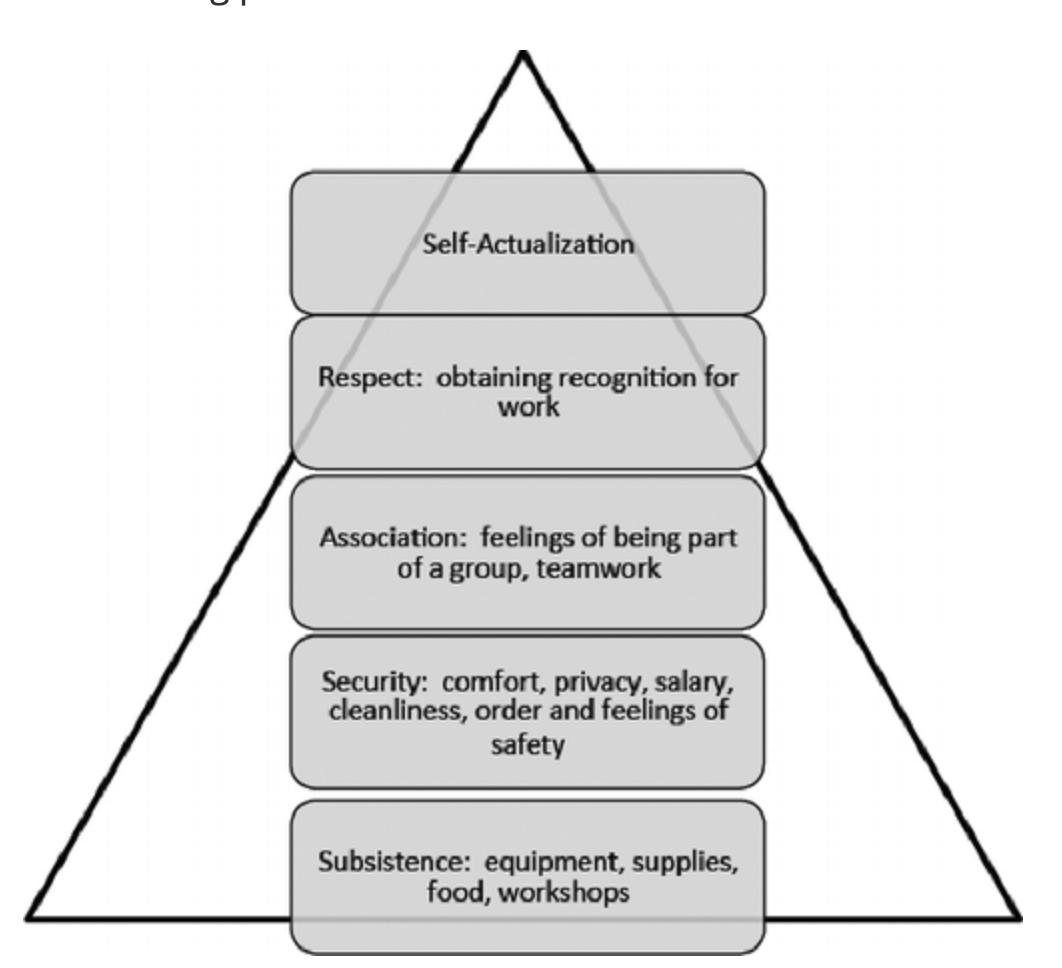
Figure 2 (Maslow Hierarchy of Needs)             Source (Fisher & Royster, 2016)

Since learning about different leadership styles, and receiving feedback from my team members, I have learnt more about myself and the importance of creating relationships with team members. When looking at the Johari window, my development plan firstly includes creating openness and open dialog with other team members, secondly understanding the needs of other team members as well as making them feel a sense of belonging in the workforce by sharing future goals and plans and allowing them to participate. This can happen by looking at figure 2 that represents the Maslow Hierarchy of Needs. Lastly, by creating incentives and appraisal as a form of motivation. 

References:

Luft, J., & Ingham, H. (1961). The johari window. Human relations training news5(1), 6-7.

Raffo, D. M., & Clark, L. A. (2018). Using Definitions to Provoke Deep Explorations into the Nature of Leadership. Journal of Leadership Education17(4).

Ravanfar, M. M. (2015). Analyzing Organizational Structure based on 7s model of McKinsey. Global Journal of Management And Business Research.

Fisher, M. H., & Royster, D. (2016). Mathematics teachers’ support and retention: using Maslow’s hierarchy to understand teachers’ needs. International Journal of Mathematical Education in Science and Technology47(7), 993-1008

Can Cultures be Managed within organizations?

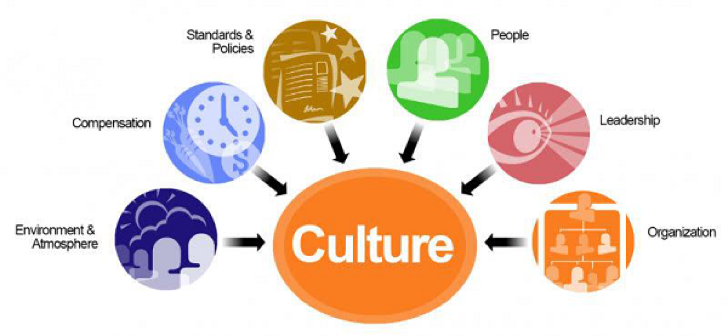
Every culture is unique in its own way, through its different habits and characteristics. Organizational culture is similar because it refers to the “rules and customs” as well as beliefs in an organization. (Driskill, 2018) 

Organizational culture is recognized to determine how people behave. it is embedded within the system of the organization and it is a process that evolves over a long time. (Roodt .et al ,2002)

Once the culture of the organization is set, it will be difficult to change. When things go wrong in an organization, culture is looked at to address the issue or to identify what went wrong. (Sinclair, 1993)

TheWeinstein film production company 

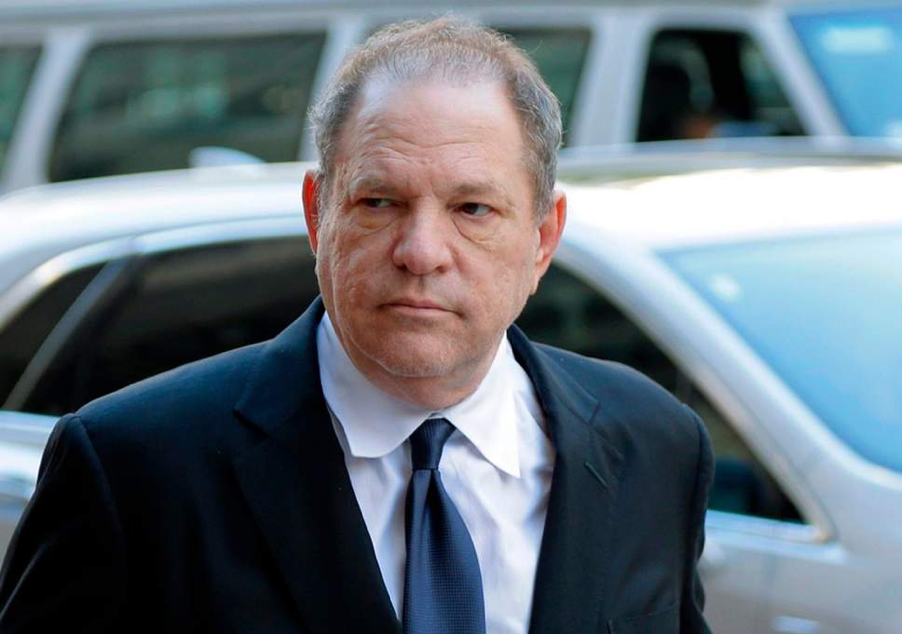
The Weinstein company is a Los Angeles based film production company. Weinstein produced many classic movies such as Shakespeare in Love (Breaking News, World News & Multimedia, 2019).The company filed for bankruptcy in 2018 due to the lawsuits and foul publicity against Harvey Weinstein. To clarify, the company co-founder, Harvey, is infamous for sexual assault scandals and rape charges from more than 80 women that worked for him. It was the start of the trending hashtag #METOO. (Gonzalez, 2018.)The METOO movement is a movement against sexual harassment, encouraging victims to speak up.

Harvey Weinstein

How to address the challenges using frameworks

Deal and Kennedy’s Four Generic Cultural Types 

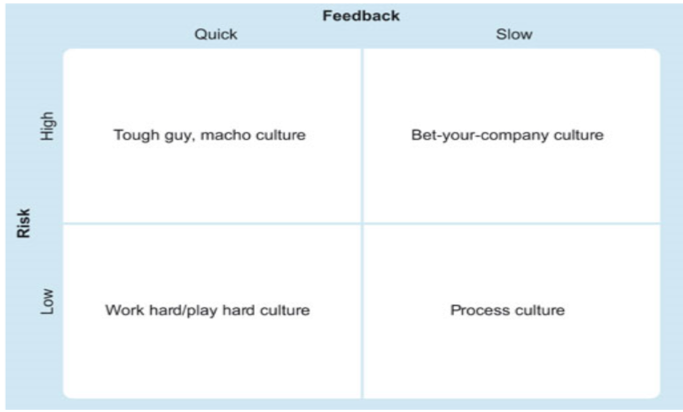
This model measure organizations based on risk and feedback and proposed four classifications of culture: 

  1. The Tough-Guy Macho Culture. 
  2. The Work Hard/Play Hard Culture 
  3. The Bet your Company Culture 
  4. The Process Culture

The tough or macho culture occurs when employees take high risks and gain fast feedback on their actions. Rewards in this culture may be high because employees will benefit more by obeying to their leader. the work hard/play hard culture usually occurs in sales organizations, which put full effort for high quality customer service and employees, take limited risks but get fast feedback.  Bet-your-company organizational culture occurs when organizations include development of decisions where the end result come out in several years. process culture represents organizations that take no risk at all, limited feedback and employees are worried about current tasks rather than what is the end result. 

Figure 1(Deal and Kennedy’s Four Generic Cultural Types )

Looking at figure 1, it is clear that the Weinstein company adapted the tough guy macho culture because Harvey Weinstein allegedly took high risk by making certain decisions that led to the bankruptcy of the company. Most employees that worked under Harvey were supposedly rewarded by acting in films produced by the Weinstein company. 

Organizational Iceberg framework 

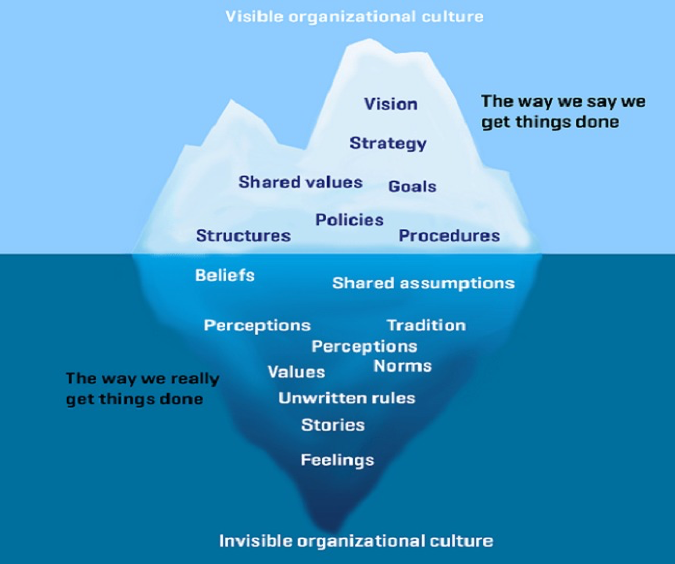
The concept of organizational iceberg captures two contrasting aspects. the first include features with formal characteristics such as the company’s strategy and goals and the second include informal features such as beliefs and values. (Manole, et al ,2011).  

According to figure 2, visible organizational culture represents what an organization is willing to achieve. However, the way the company operates may not be visible to the outside. If the employees don’t share the same ethics and morality, then the company will deteriorate gradually. 

Weinstein was one of the most successful film production companies and they had a clear vision and goal, but what was hidden is the bottom part of the iceberg. It is the part which sank the titanic. Many organizations focus on the visible culture whereas the critical part might be unaddressed. To add, looking at figure 2, perceptions, shared assumption and feelings in the company were not sincere and not addressed in an acceptable manner. In the case of Harvey, he mentioned that he was not aware of himself being the abuser. He assumed that his encounters were normal. (Gonzalez, 2018)

(Figure 2 org iceberg)

Recommendation

A suitable recommendation to avoid bankruptcy and to have chance to compete again is for the Weinstein company to change people’s perception of them. 

This can happen if the company commences a transparency program which allows direct insight and monitoring to the company’s “bottom part of the iceberg”. Understanding the level of risk and feedback that is appropriate for the organization as looked at in the Deal and Kennedy’s Four Generic Cultural model will allow the company to understand areas that require change. Another approach would be to start equality campaigns that focus on employee rights. The power gap should be reconsidered. Employees should be able to participate in major decisions that occur in the company.

References

Sinclair, A. (1993). Approaches to organisational culture and ethics. Journal of business ethics12(1), 63-73.

Roodt, G., Rieger, H. S., & Sempane, M. E. (2002). Job satisfaction in relation to organisational culture. SA Journal of industrial Psychology28(2), 23-30.

Driskill, G. W. (2018). Organizational culture in action: A cultural analysis workbook. Routledge.

Breaking News, World News & Multimedia. (2019). Retrieved from https://www.nytimes.com/

Gonzalez, S., France, L.R. & Melas, C. 2018, The fallout since the Weinstein scandal first rocked Hollywood, Atlanta.)

Crow, D. 2018, The Weinstein Company officially bankrupt, accusers released from NDAs, Dennis Publishing Ltd, London.)

Contemporary Leadership Styles: How Relevant Are They in Today’s Changing World?

The concept of leadership is continuously evolving. Much of this change is attributed to the fact that today’s age is the era of information and rapid growth of technology. Different types of leadership theories have been developed over the years.  In this blog, different leadership theories will be looked at such as trait theory, behavioral theory and finally focusing on the most recent transformational leadership style.

Background of leadership theories 

Trait Theory

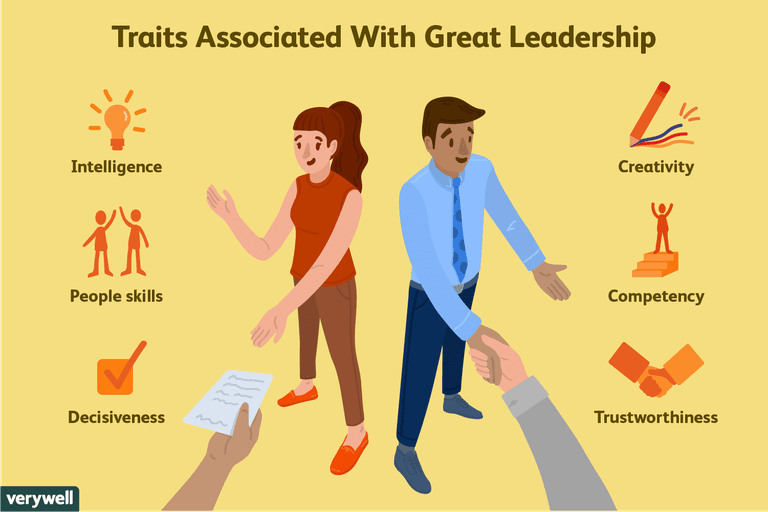
The focus of the trait theory is on identifying personal features which distinguish leaders from others. The assumption of the theory is that leaders have specific characteristics that enable them to be in leadership positions. Physical attributes involving weight, height, and age are what differentiate leaders(Mook, Whitman, Quarter, & Armstrong, 2015). To add, figure 1 shows that researchers related personality traits such as dominance and self-confidence with leadership. However, trait theory did not offer accurate predictions of leadership behavior, leading to its failure. The behavioral theory was developed later to address the faults of the trait theory.

The Behavior theory

The Behavior theory

The behavior theory includes autocratic and democratic leadership styles(Mook et al., 2015 ). Autocratic leaders make decision with little or no involvement from employees. These types of leaders are more confident and comfortable with making all decisions. Although research indicates that autocratic leaders have less creativity compared to new leadership styles. (Iqbal .et al, 2015).  Democratic leadership style focuses on providing guidance and help your team and departments while accepting and receiving advice or input from individual team members. This leadership style gives employees full control and responsibility when assigned to tasks and. That led to more commitment of workers toward department goals, and meeting deadlines.  (Iqbal .et al , 2015) . However, if change is required because of future uncertainty, democratic leadership style does not guarantee the company in overcoming changes 

Transformational leadership styles 

The transformational leader expresses how valuable the employees are to the company. Transformational leaders focus on increasing motivation, and morals of their followers. This leadership style focuses on changes that need to occur in an organization by creating an empowered skillful staff that can adapt to what comes in their way. Transformational leaders can choose whether to be participative, authoritarian or democratic depending on the situation. (Bass, 1999). Figure 2 shows different behaviors that can be used within transformational leadership behavior .

Transformational leadership style Behavior
1) Idealized Behaviors: living one’s ideals Talk about their most important values and beliefs Specify the importance of having a strong sense of purpose Consider the moral and ethical consequences of decisions Talk about the importance of trusting each other 
2) Inspirational Motivation: inspiring others Talk optimistically about the future Talk enthusiastically about what needs to be accomplished Articulate a compelling vision of the future Express confidence that goals will be achieved Provide an exciting image of what is essential to consider Take a stand on controversial issues 
3) Intellectual Stimulation: stimulating others Re-examine critical assumptions to question whether they are appropriate Seek differing perspectives when solving problems Get others to look at problems from many different angles Suggest new ways of looking at how to complete assignments Encourage non-traditional thinking to deal with traditional problems Encourage rethinking those ideas which have never been questioned 
4) Individualized Consideration: coaching and development Spend time teaching and coaching Treat others as individuals rather than just as members of the group Consider individuals as having different needs Help others to develop their strengths Listen attentively to others’ concerns 
5) Idealized Attributes: Respect, trust, and faith Instill pride in others for being associated with them Go beyond their self-interests for the good of the group Act in ways that build others’ respect Display a sense of power and competence Make personal sacrifices for others’ benefit Reassure others that obstacles will be overcome 

Figure 1 Transformational Leadership Styles and Behaviors       Source ( Bolden. et al ,2003)

Criticism on transformational leadership style:

  • Ambrose, Sriraman, and Pierce (2014)argue that while transformational leadership is linked with change, it will result in a top-down leadership approach which is not suitable for today’s changing world.
  • Dasborough and Ashkanasy hold that transformational leadership opens up opportunities for emotionally intelligent leaders to manipulate the emotions of their followers for evil or self-gain interests(Murphy, 2014). However, despite the extensive criticism of leadership approaches, they have practical applicability in today’s increasingly changing business environment., research show that transformational leadership is suitable for promoting organizational change(Hicks, 2013). It is worth noting that organizational change is particularly significant in the modern day, and every business has to be prepared for it.
  • Goksoy (2015)argues that organizational change cannot be ignored or neglected and kept for the last minute. The reality is that change is inevitable whether an organization plans for it or not. Therefore, every business has to establish an organizational culture to be ready to face and adapt to the uncertainties of today’s changing world (Goksoy, 2015). 

It is clear to say that transformational leadership has features which make it relevant in today’s changing world, especially in regard to organizational change. transformational leadership could be important in today’s business environment because of its ability to enhance the performance of employees. Furthermore, transformational leadership motivates a company’s workforce to higher levels of performance. It will create commitment and loyalty as well as enhancing satisfaction among leaders (Hicks, 2013).  

UBER

Poor leadership approach is the primary cause of the problems facing today’s business enterprises. The case of Uber provides an excellent example of a leadership challenge. Travis Kalanick had to step down as CEO of UBER because the company faced numerous problems, including sexual harassment issues and worker try to break into raiders homes. 

Press CNN link to watch a video about an UBER driver that tried to break into employee home: 

https://edition.cnn.com/videos/us/2019/04/09/uber-driver-attempted-break-in-burglary-mxp-vpx.hln

Uber had a simple executive leadership structure which resulted in cultural misunderstanding, poor performance, and management failure. Transformational leadership style at and near the senior levels of an organization should be implemented, an independent board, and exhaustive risk management practice can drive a firm towards success in a better manner compared to one leader who acts alone(Forbes Coaches Council, 2017).  Focusing on motivation mechanisms and creating a sense of purpose for the employees will help the company to transform and overcome current challenges.

In conclusion, while contemporary leadership styles have clear weaknesses, they are still appropriate in the modern-day business landscape. In particular, the transformational leadership model facilitates organizational change, which is imperative in today’s world where change is inevitable. However, the insufficiencies of these contemporary leadership models highlight the need for research to focus on more a leadership style. 

References

Ambrose, D., Sriraman, B., & Pierce, K. M. (Eds.). (2014). A critique of creativity and complexity: Deconstructing clichés.New York, NY: Springer.

Goksoy, A.  (Ed.). (2015). Organizational change management strategies in modern business.Hershey, PA: IGI Global.

Chin, J. L., Trimble, J. E., & Garcia, J. E. (Eds.). (2017). Global and culturally diverse leaders and leadership: New dimensions and challenges for business, education and society.Bingley: Emerald Group Publishing.

Forbes Coaches Council. (2017, August 15). What Uber’s company culture crisis taught us about leadership and management. Forbes.Retrieved from https://www.forbes.com/sites/forbescoachescouncil/2017/08/15/what-ubers-company-culture-crisis-taught-us-about-leadership-and-management/#4252ea5c4904

Goksoy, A.  (Ed.). (2015). Organizational change management strategies in modern business. Hershey, PA: IGI Global.

Hicks, R. F. (2013). Coaching as a leadership style: The art and science of coaching conversations for healthcare professionals.London, UK: Routledge.

Mook, L., Whitman, J. R., Quarter, J., & Armstrong, A. (2015). Understanding the social economy of the United States.Toronto: University of Toronto Press.

Murphy, K. R. (Ed.). (2014). A critique of emotional intelligence: What are the problems and how can they be fixed?London, UK: Psychology Press.

Rodríguez, M. A. (2014). Critical leadership: From error prevention to error learning.Aebius.

Chaudhry, A. Q., & Javed, H. (2012). Impact of transactional and laissez faire leadership style on motivation. International Journal of Business and Social Science3(7).

Iqbal, N., Anwar, S., & Haider, N. (2015). Effect of leadership style on employee performance. Arabian Journal of Business and Management Review5(5), 1-6.

Bass, B. M. (1999). Two decades of research and development in transformational leadership. European journal of work and organizational psychology8(1), 9-32.

Bolden, R., Gosling, J., Marturano, A., & Dennison, P. (2003). A review of leadership theory and competency frameworks. Centre for leadership studies, University of Exeter.

Change Management

Industry Analysis (Nando’s)

Brexit will have harmful economic effects on the operations of businesses in the UK depending on the nature of each industry. For example, Nando’s operates in the restaurant market that will likely experience operation problems due to the high demand for workers (Best Companies, 2019). Brexit will lead to restriction in immigration that will interfere with Nando’s performance since it is a labor-intensive firm. Brexit will limit the access of cheaper skilled workers, increasing its overall costs. Therefore, the high costs will lead to lower profitability (Coulter & Hancké, 2016). 

In the UK, Nando’s operations are growing. The restaurant chain intends to open additional 20 restaurants that will require extra 570 employees (Best Companies, 2019). Currently, Nando’s operates with 220 restaurants in 35 countries, managed by 6, 300 employees (Best Companies, 2019). The nature of its operations proves that Brexit will cause the organization to suffer due to restricted movement of its workers, leading to increased costs. In addition, absence of cheap labor will interfere with the growth and competitiveness of Nando’s (Best Companies, 2019). Therefore, the survival of Nando’s after Brexit remains at risk unless its leadership implements new measures to change the mode of operations.

How to Address the Problem (Change Management):

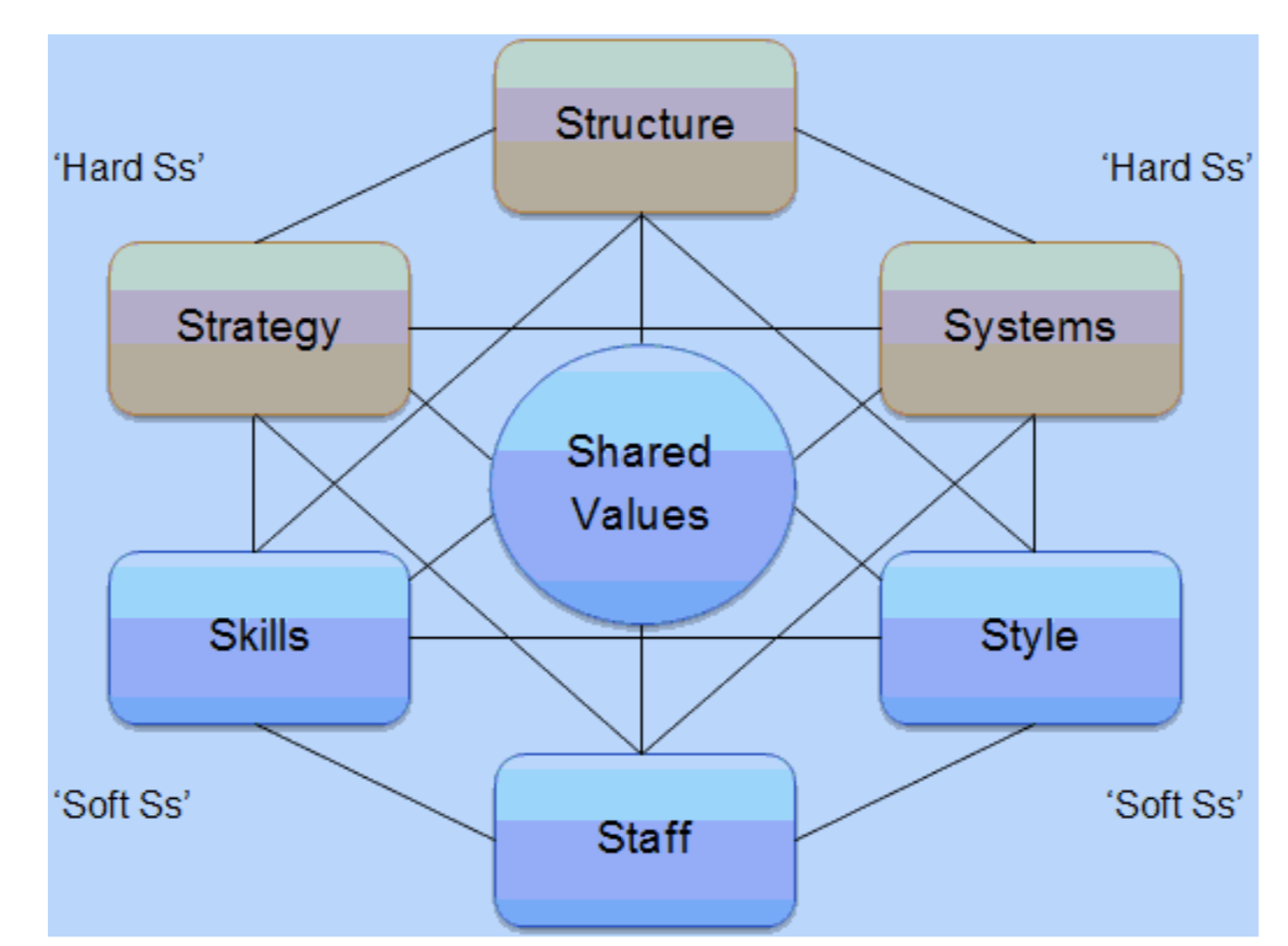
The company has to update its activities to increase efficiency and the performance of its workforce. Proper Human Resource Management (HRM) actions will lower the demand for labor and increase performance output per worker. If look at figure 1 The 7S McKinsey Model best describes the change strategy that Nando’s has to implement (Kirschenboim, 2018). 

Figure 1 ( Mckinsey 7s model )                         source ( Ravanfar, 2015). 
 

  • Strategy: a plan has to be developed by Nando’s that will require its commitment in training existing employees to ensure future uncertainty avoidance. 
  • Structure: the chain restaurant has to implement HRM roles to lower the number of leadership participation required, reducing the demand for specialized managers. 
  • Systems: the firm has to revisit operational procedures to make working processes simple, leading to speedier accomplishment of tasks.
  • Shared values: build a high-performance culture that promotes the fundamental ethical values of respect and trust in order to guarantee excellent coordination among employees.
  • Style: Nando’s has to embrace democratic leadership to allow employees to participate in decision-making. Through the leadership, the company has to build motivation models that encourage knowledge sharing, leading to enhanced efficiency in job performance. (Bhatti, et al 2012)
  • Staff: Nando must upgrade its human resource practices to link employee capabilities and interests to the specific needs of the organization. The idea will boost motivation and work efficiency, lowering labor demand.
  • Skills: the corporation has to advance workers’ skills to enable multi-tasking, which will reduce the number of workers required in each restaurant. Consequently, the uncertainty caused by Brexit will not affect its labor. 

The Action Plan:

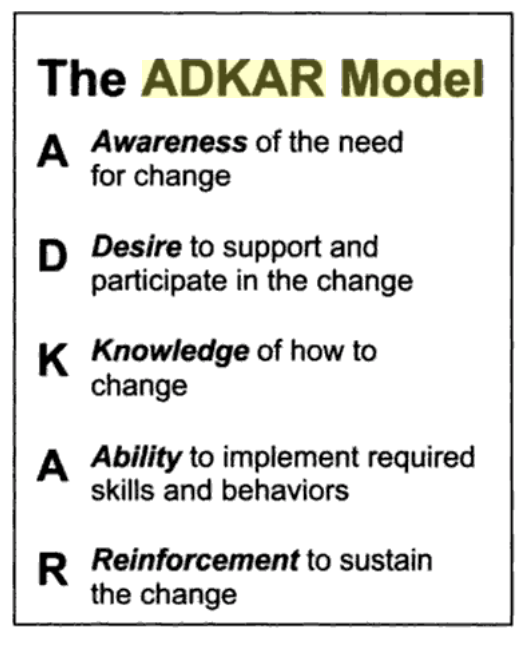
Nando’s has to lead its workers towards a smooth transition. A rapid change management transition is required by giving employees incentives to adapt to future uncertainty such as Brexit. Incentives include monetary rewards for tasks well done as well as building the right philosophies and attitudes in employees. Incentives will create a sense of appreciation among the workers, enforcing a need for change in their daily operations. HRM transformation will lower the labor costs, it will guarantee Nando’s survival if Brexit happens. If we look at figure 2, The five dimensions of the ADKAR model include awareness, desire, knowledge, ability, and reinforcement. All points must be in place for change to be realized in Nando’s. (Hiatt,2006) 

Figure 2 (Change Management Tools)        Source:( Hiatt ,2006)


  • Awareness: Nando’s leadership has to educate workers on the fact that Brexit will remove the availability of cheaper skilled labor. Therefore, an HRM change must exist by allocating incentives to create more skillful employees.
  • Desire: the organization has to influence employees to develop the urge and eager to embrace the new form of operation. For example, employees should genuinely accept a pay cut if the companies face problems. 
  • Knowledge: Nando’s has to enable employees to execute tasks more efficiently by sharing information and providing training programs. This will encourage them to perform multiple tasks and become skillful.
  • Ability: the organization has to turn this knowledge into action. For example, begin reassigning tasks, and it has to implement the new operations mode to allow employee to meet their full potential.
  • Reinforcement: the leadership has to define high-performance and flexibility in the performance of jobs as core components that describe Nando’s culture. The idea will create a continuous cycle of the entire change process to make the effects permanent

My Learning Outcomes:

I personally feel that the case of Nando’s has provided me with an exceptional experience. The main lesson is my capability of predicting the impact of major events. I was also able to determine the required change needed for Nando’s. It is now clear to me that transformation in any organization starts with action taken by its leaders. Leaders are supposed to initiate any change management practice that is important for the company (Mehta, Maheshwari, & Sharma, 2014). Therefore, I’m fully aware that effective leadership is about being proactive to implement changes in a timely manner, decrease employees’ frustrations and managerial inefficiencies that may result in organizational losses. Using business models such as the ADKAR and Mckinsey’s 7s model will help address the problem and suggest an action plan when change is required in an organization .

References

References

Best Companies (2019). About Nando’s. Best Companies. Retrieved from http://www.b.co.uk/company-profile/?nando%27s-47682

Coulter, S., & Hancké, B. (2016). A bonfire of the regulations, or business as usual? the UK labour market and the political economy of Brexit. Political Quarterly, 87(2), 148–156. Retrieved from doi.org/10.1111/1467-923X.12245

Creately, (2019, January 29). The ultimate list of change management tools to drive change like a pro. Creately Blog.Retrieved from creately.com/blog/diagrams/change-management-tools-list/

Hiatt, J. (2006). ADKAR: a model for change in business, government, and our community. Prosci.

Kirschenboim, Y. (2018). Rabbi Hirsch values and principles and McKinsey 7 S model. Past and future in Israeli school management. Review of International Comparative Management, 19(3), 306-312. Retrieved from ideas.repec.org/a/rom/rmcimn/v19y2018i3p306-312.html

Mehta, S., Maheshwari, G. C., & Sharma, S. K. (2014). Role of leadership in leading successful change: An empirical study. Journal of Contemporary Management Research, 8(2), 1–22.Retrieved from

Prosci (2019). What is change management and how does it work?Prosci.Retrieved from www.prosci.com/resources/articles/the-what-why-and-how-of-change-management

Ravanfar, M. M. (2015). Analyzing Organizational Structure based on 7s model of McKinsey. Global Journal of Management And Business Research.